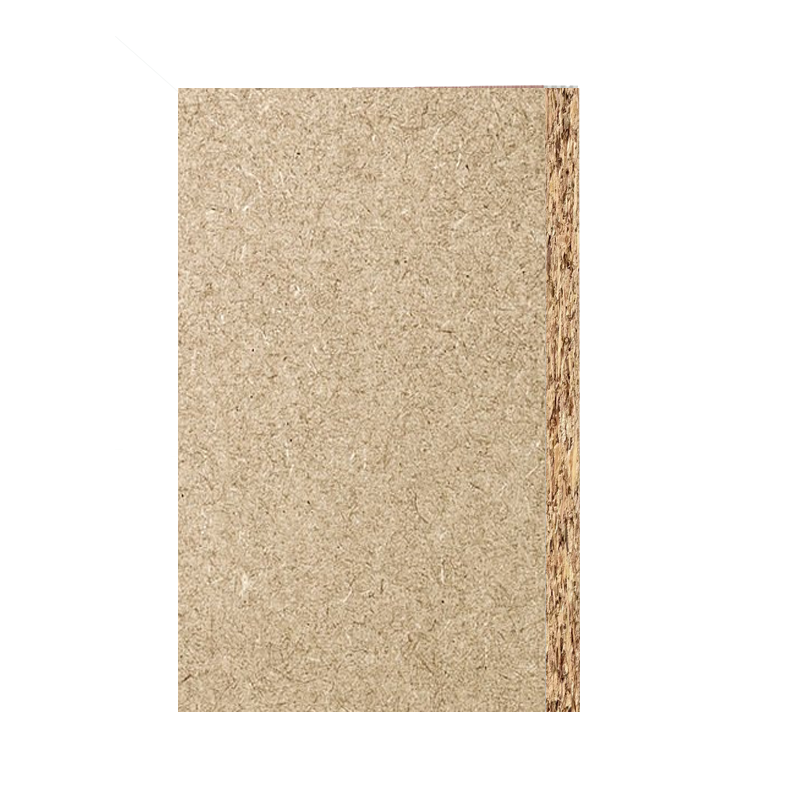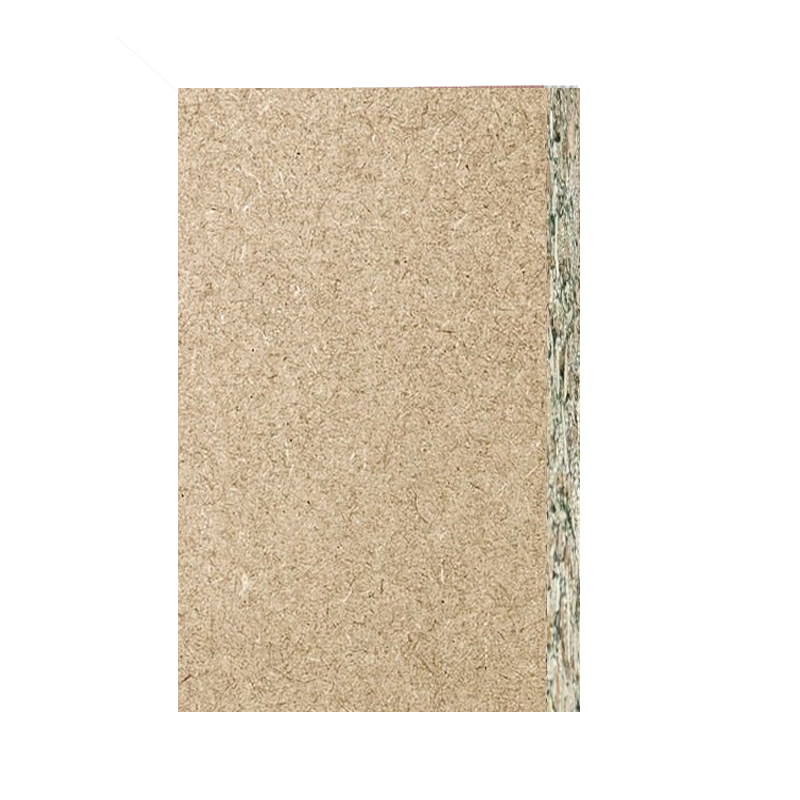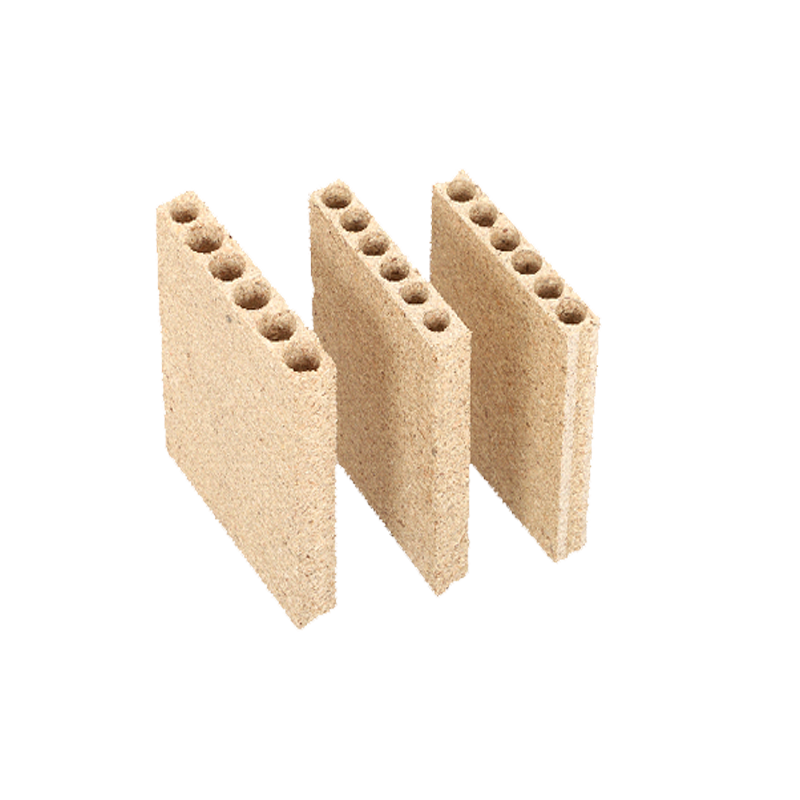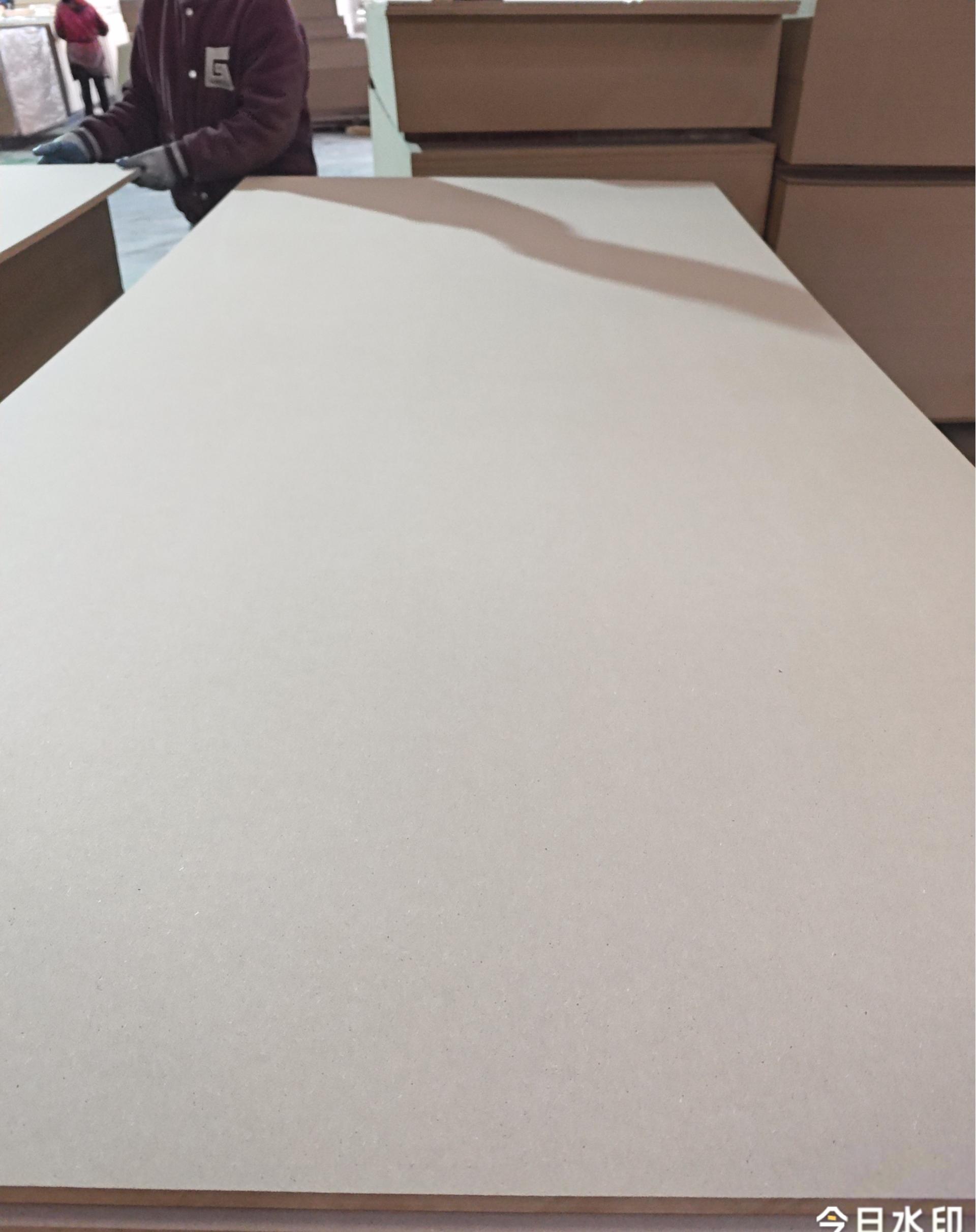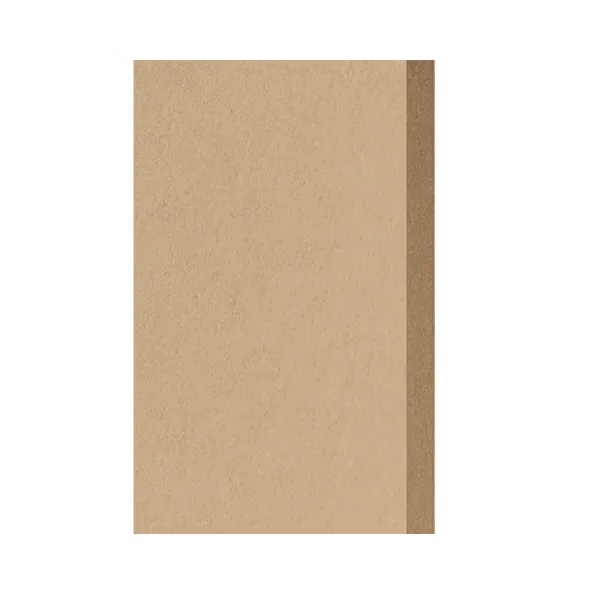
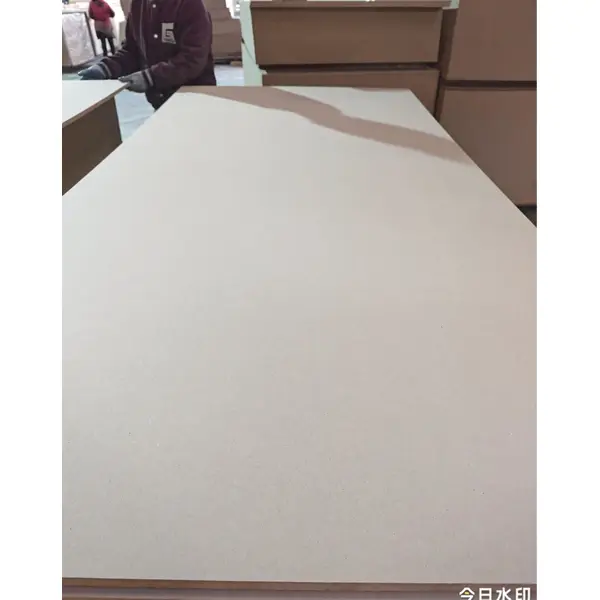

PUSEN WOOD PLAIN MDF BOARD

| Product Name | Plain Mdf Board |
| Other names | Standard MDF Board/Raw MDF Board/Unfinished MDF Board/Fibreboard/Bare MDF Board/Naked MDF Board |
| Density Class | L-MDF: < 650 kg/m³,MDF: 600-800 kg/m³,HDF: > 800 kg/m³(It depends on the type of core board, Glue Amount, Hot Pressing Process, Fiber Preparation Process and other factors.) |
| Raw Material Grade | A1 grade (pure untreated wood), A2 grade (clean recycled wood), A3 grade (recycled wood without chemical preservatives) |
| Size | Commonly used: 1220x2440mm (4’x8′),Others: 915 mm x 1830 mm (3’x6′), 915x2135mm (3’x7′), 1200x2400mm (3.9’x7.9′), 1200 x 3600mm (3.9’x11.8′), 1220×2745 mm (4’x9′), 1220x2745mm (4’x10′), 1525 mm x 3050 mm (5’x10′), 1800 x 3600 mm (5.9’x11.8′), 1830x2440mm (6’x8′), 1830x2745mm (6’x9′), 2135x 3050mm(7’x10′),2440x3660mm(8’x10′),Upon To Request |
| Thickness | 2.5mm-30mm, regular sizes 2.5 (3/32″), 3 (1/8″), 4 (5/32″), 5 (3/16″), 6 (1/4″), 7 (9/32″), 8 (5/16″), 9 (3/8″), 10 (13/32″), 11 (7/16″), 12 (15/32″), 13 (1/2″), 14 (9/16″), 15 (19/32″), 16 (5/8″), 18 (11/16″), 19 (3/4″), 20 (25/32″), 21 (13/16″), 22 (7/8″), 24 (15/16″), 25 (1″) mm/inch, customizable upon request |
| Core | Poplar, Combi, Pine, Eucalyptus/Hardwood Wood fiber |
| Production Line Type | Multi-Opening Press Line(multi-layer line)/Continuous Flat Press Line(Siempelkamp) |
| Glue | E0 Glue,E1 Glue,E2 Glue,CARB P2 Glue,MDI(Methylene Diphenyl Diisocyanate) Glue |
| Moisture Content | 5% – 11% |
| Dimensional Tolerance | Thickness: ±0.2mm or stricter, Length & Width: ±2mm/m, Diagonal Difference: ≤2mm/m |
| Internal Bond Strength – IB | 0.5 – 1.2 N/mm² or higher |
| Modulus of Rupture – MOR | 18 – 40 MPa or higher |
| Modulus of Elasticity – MOE | 2000 – 3500 MPa or higher |
| Thickness Swelling after 24h | Standard Board ≤ 15%, Moisture Resistant Board (MRMDF) ≤ 10% |
| Screw Holding Strength – Face and Edge | Face Screw Holding > 800 N Edge Screw Holding > 700 N |
| Surface Bonding Strength | 1.0 – 1.5 N/mm² or higher |
| MOQ | 42CBM/40’GP.50CBM/40’HQ |
| Thickness Swelling after 24h | Less Than 15%-25% |
| Packing | Inner Packing:0.2mm Thickness Plastic Bag,Outer Packing:Pallet With Carton And Strapped With Steel Tape |
| Delivery | Within 20 days After Confirm The Order |
| DaysPayment | TT,L/C,DP,MONEYGRAM,WESTERN UNION,PAYPAL |
| Usage | Indoor decoration and furniture manufacturing fields, such as cabinets, door panels, drawer panels, bookshelves, display racks, etc., wall panels, ceilings, skirtings, door frames, window frames and decorative lines in interior decoration, audio boxes, display racks, molds, carvings and packaging,etc |
| Capacity | 10000CBM PER MONTH |
| Standard Compliance & Certifications | EN 316, EN 622-5, ANSI A208.2, JIS A 5905, ASTM E1333, ISO 9001, ISO 14001, FSC, PEFC, CARB, CE Mark, BIS etc. |
Plain MDF (Medium Density Fiberboard) – Complete Guide
1. What is Plain MDF?
Plain MDF (Medium Density Fiberboard) is an engineered wood product made by breaking down hardwood or softwood into fine wood fibers, which are then combined with resin and wax and pressed under high temperature and pressure to form dense, flat panels.
Unlike natural wood, MDF has no grain, knots, or irregularities, making it one of the most uniform and versatile wood-based materials used in modern construction and furniture manufacturing.
2. How MDF is Manufactured
The production of MDF involves several key steps:
1. Wood Fiber Preparation
Wood logs or recycled wood materials are broken down into fine fibers.
2. Mixing with Binders
The fibers are blended with synthetic resin (commonly urea-formaldehyde) and wax to improve bonding and moisture resistance.
3. Forming the Mat
The mixture is spread into a thick mat to prepare for pressing.
4. Hot Pressing
The mat is compressed under high temperature and pressure to form solid, dense boards.
5. Cooling and Cutting
The boards are cooled, trimmed, and cut into standard sheet sizes.
6. Surface Sanding
The surface is sanded smooth to create a uniform finish ready for further processing.
3. Key Features of Plain MDF
Smooth Surface
MDF has a perfectly smooth and flat surface, ideal for painting, laminating, and veneering.
Uniform Density
The internal structure is consistent, with no voids, knots, or grain patterns.
Easy to Work With
It can be easily cut, drilled, routed, and shaped without splintering.
Cost-Effective
MDF is generally more affordable than solid wood and many types of plywood.
4. Applications of Plain MDF
Plain MDF is widely used across many industries:
Furniture Manufacturing
Cabinets
Wardrobes
Tables
Bookshelves
Interior Decoration
Wall panels
Ceiling designs
Decorative partitions
Doors and Frames
Used as a core material for interior doors and decorative door panels.
Commercial and Exhibition Use
Display stands
Shop fittings
Exhibition booths
5. Advantages of Plain MDF
Smooth and even surface
Excellent machining and shaping properties
Affordable compared to solid wood
No knots or natural defects
Ideal for painting and surface finishing
6. Disadvantages of MDF
Despite its benefits, MDF also has some limitations:
Not water-resistant – it can swell or break when exposed to moisture
Heavier than plywood
Lower structural strength compared to solid wood or plywood
Potential formaldehyde emissions depending on resin quality
7. MDF vs Other Wood Materials
| Material | Advantages | Disadvantages |
|---|---|---|
| MDF | Smooth surface, easy to shape, affordable | Poor moisture resistance, heavy |
| Plywood | Strong, better moisture resistance | Rougher surface |
| Solid Wood | Natural beauty, high strength | Expensive, may warp or crack |
8. How to Choose High-Quality MDF
When selecting MDF boards, consider the following:
Environmental grade (E0, E1, low formaldehyde emission)
Density consistency
Surface smoothness
Edge strength (no crumbling)
Odor level (low chemical smell preferred)
9. Conclusion
Plain MDF is one of the most widely used engineered wood materials in the world due to its smooth finish, easy workability, and cost efficiency. While it is not suitable for wet or heavy-load environments, it remains an excellent choice for indoor furniture and decorative applications.
Its balance of affordability and performance makes MDF a key material in modern interior design and furniture production.
PUSEN WOOD Quality Control of Plain MDF
1. Raw Material Control
Good MDF quality starts with raw materials.
Key requirements:
Use clean hardwood or softwood fibers
Avoid impurities such as bark, sand, or dust
Ensure fiber size is uniform and consistent
Use stable resin with controlled formaldehyde emission (E0/E1 standard)
Proper wax content to improve moisture resistance
Poor raw materials will lead to weak strength and uneven board quality.
2. Production Process Control
Fiber refining
Fibers must be finely processed and evenly sized.
Glue mixing ratio
The resin-to-fiber ratio must be strictly controlled:
Too much resin leads to brittle boards
Too little resin leads to weak bonding
Mat forming
Fiber mats must be evenly distributed without thickness variation.
Hot pressing
Key parameters must be strictly controlled:
Temperature stability
Pressure uniformity
Pressing time accuracy
Improper pressing may cause warping, soft spots, or density imbalance.
3. Density Control
MDF must have consistent density throughout the board.
Control points include:
Edge and center density comparison
Vertical density profile stability
Good MDF should have uniform internal structure without hollow areas.
4. Surface Quality Control
Surface must meet the following standards:
Smooth and flat finish after sanding
No scratches or press marks
No fiber lifting or rough texture
The surface should be suitable for painting, laminating, or veneering.
5. Thickness Tolerance Control
Thickness must be strictly controlled across each sheet.
Measure multiple points on every board
Ensure tolerance is within standard industrial range
Poor control leads to installation problems and uneven surfaces.
6. Moisture Content Control
Ideal moisture content is usually between 4% and 8%.
If moisture is too high:
Board may swell or develop mold
If moisture is too low:
Board becomes brittle and weak
7. Formaldehyde Emission Control
This is important for safety and export standards.
Common grades include E0, E1, and CARB P2.
Control methods:
Use low-emission resin
Optimize hot pressing conditions
Conduct laboratory emission testing
8. Strength Testing
Key performance tests include:
Internal bond strength
Bending strength
Screw holding strength
Weak performance usually indicates poor resin mixing or incorrect pressing conditions.
9. Final Product Inspection
Before shipment, boards must be checked for:
Visual quality:
No cracks or delamination
No edge damage
Physical quality:
Consistent thickness
Flat surface
Sampling tests:
Water absorption
Strength verification
Drop or impact testing
10. Packaging and Storage Control
Proper storage is necessary to maintain quality:
Keep boards in a dry environment
Avoid direct sunlight and moisture
Use protective packaging
Stack boards flat to prevent bending
Conclusion
Quality control of plain MDF requires full process management from raw materials to final shipment.
Key factors include:
Stable fiber quality
Precise production control
Strict density and moisture management
Comprehensive inspection before delivery
A strong QC system ensures consistent MDF performance, durability, and export compliance.