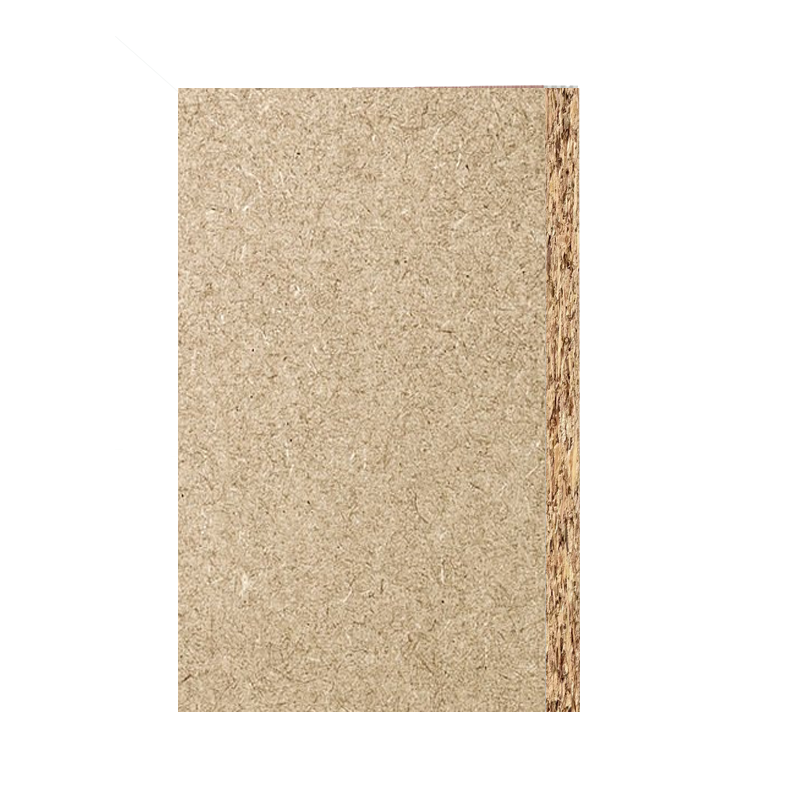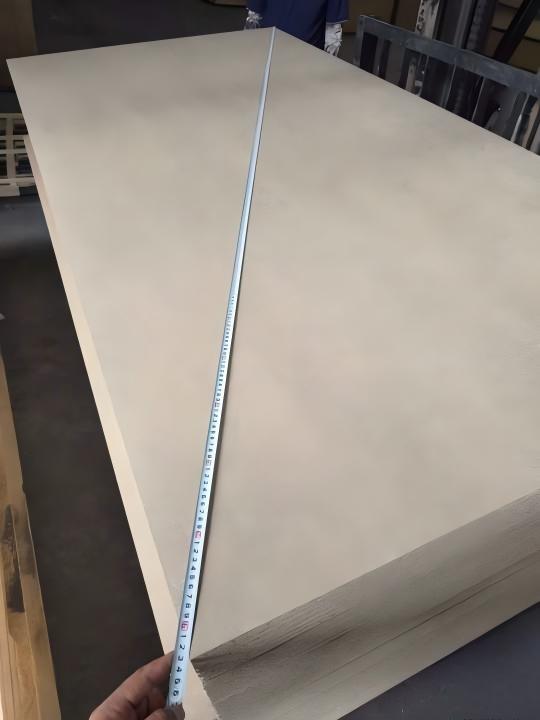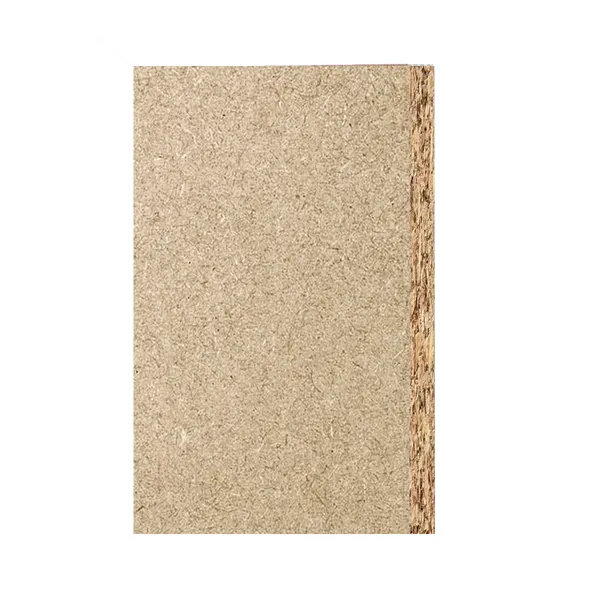
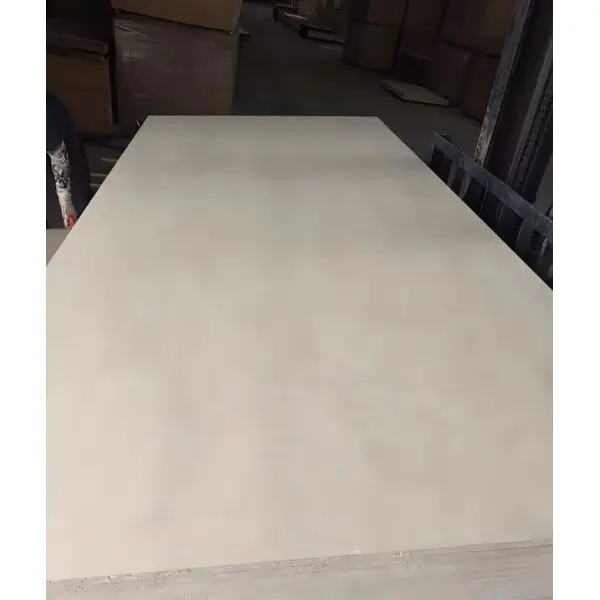
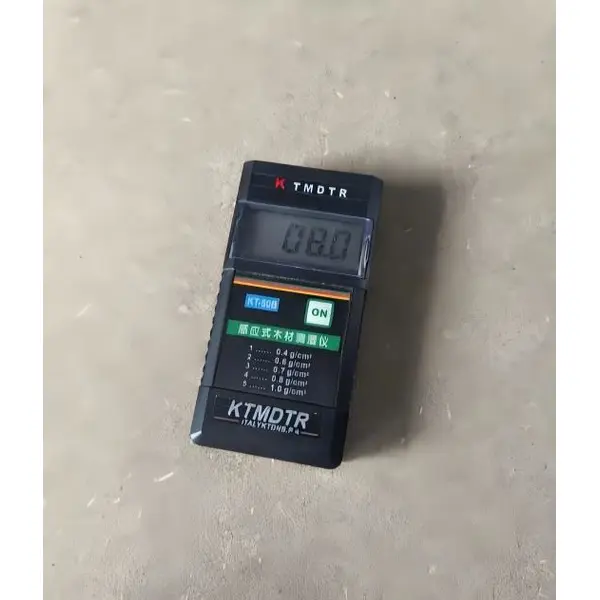
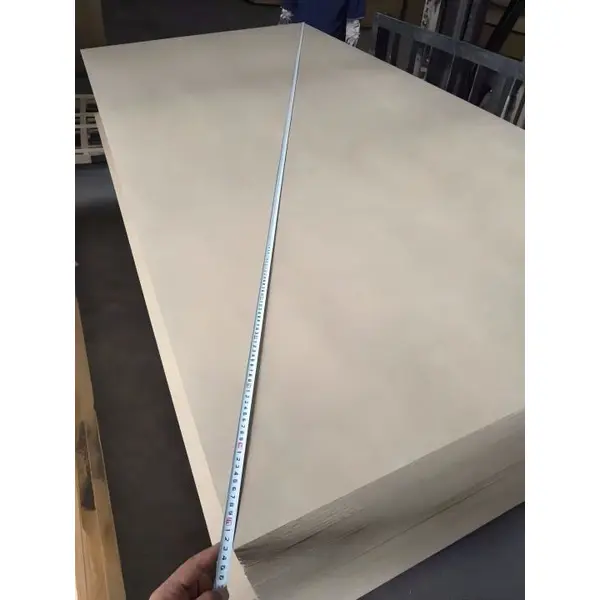

PUSEN WOOD PARTICLE BOARD

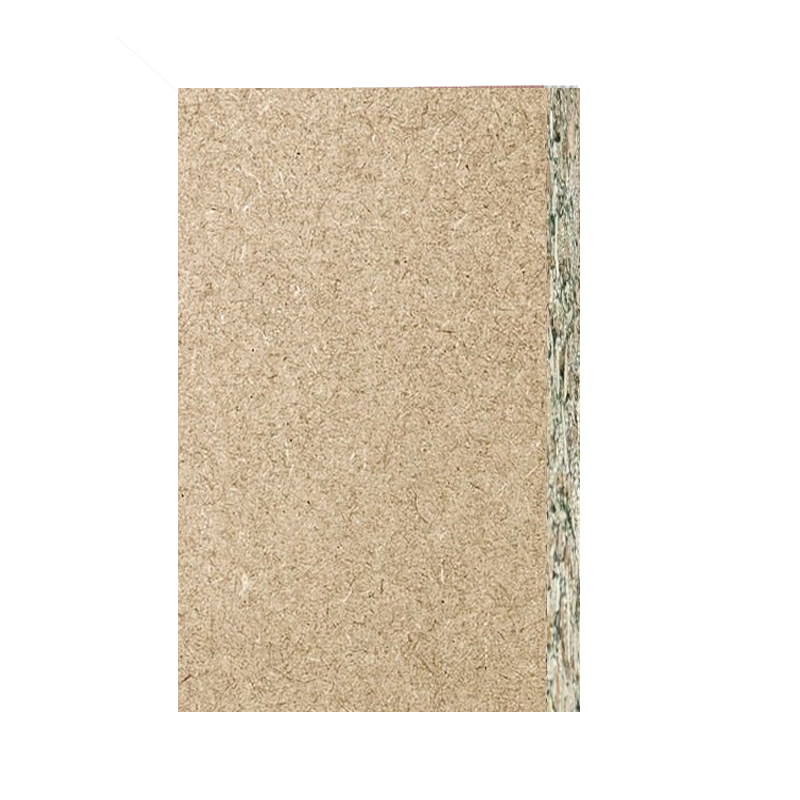
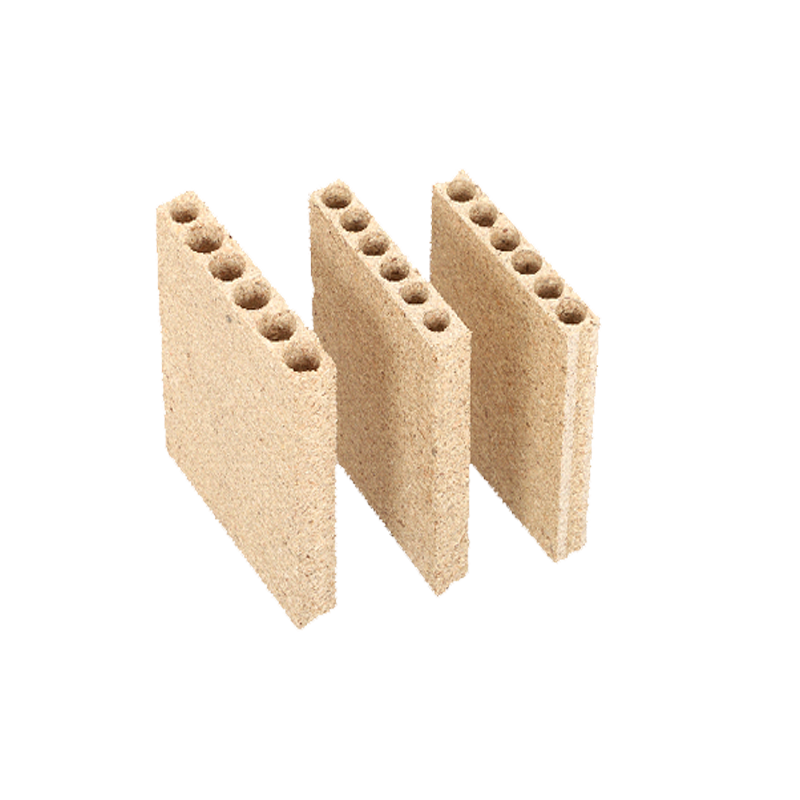
| roduct Name | Plain Particle Board |
| Other names | Standard/Raw/Unfinished/Bare/Naked/Untreated/Basic Particle board、Chipboard、Flake Board |
| Density Class | 630 – 750 kg/m³ (normal 650-680, high density >690) |
| Raw Material Grade | A1 grade (pure untreated wood), A2 grade (clean recycled wood), A3 grade (recycled wood without chemical preservatives) |
| Product Standards | EN312 – P2 Grade (general purpose plate), P4 Grade (load bearing plate), P6 Grade (heavy load bearing plate). |
| Core Structure | 3-Layer Structure: Surface fine particles/Core coarse particles Graduated Structure: Particle size gradually changes from the surface to the center |
| Size | Commonly used: 1220x2440mm (4’x8′),Others: 1220×2745 mm (4’x9′), 1220x2745mm (4’x10′), 1525 mm x 2440 mm (5’x8′), 1525 x 2745 mm (5’x9′), 1830x2440mm (6’x8′), 1830x2745mm (6’x9′), 2135x 3050mm(7’x10′),2440x3660mm(8’x10′),Upon To Request |
| Thickness | 8mm-64mm, regular sizes:8 (5/16″), 9 (3/8″), 12 (15/32″), 15 (19/32″), 16 (5/8″), 18 (11/16″), 25 (1″),30 (1 3/16″), 35 (1 3/8″), 38 (1 1/2″), 40 (1 37/64″) mm/inch, customizable upon request |
| Core | Poplar, Combi, Pine, Eucalyptus/Hardwood Wood Particles/Chips |
| Production Line Type | Multi-Opening Press Line(Sufoma)/Continuous Flat Press Line(Dieffenbacher) |
| Glue | E0 Glue,E1 Glue,E2 Glue,CARB P2 Glue,MDI(Methylene Diphenyl Diisocyanate) Glue |
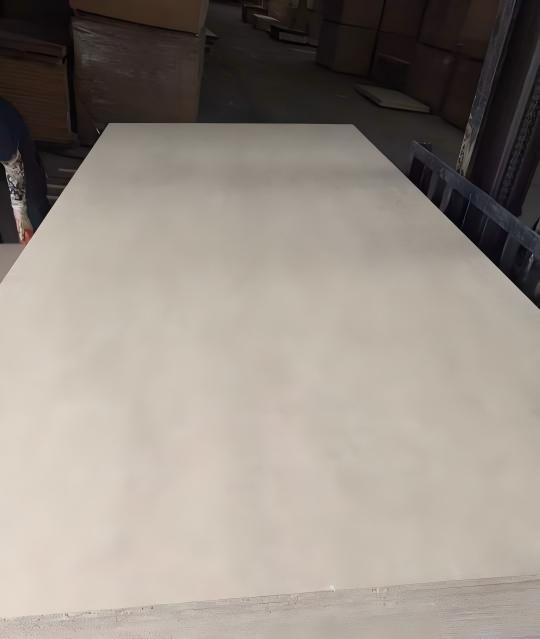
| Surface Finish | Unsanded, Sanded Both Sides(#150, #180, #240 ) |
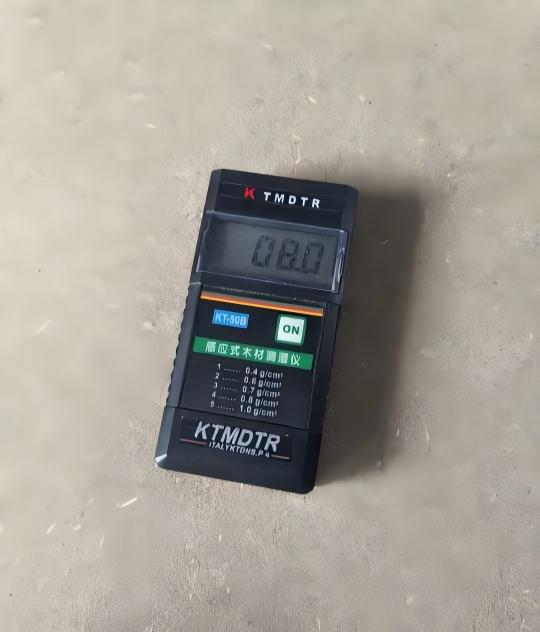
| Moisture Content | 5% – 10% |
| Thickness Tolerance | Continuous Flat Press Line: ±0.1mm ~ ±0.2mm Multi-Opening Press Line: ±0.2mm ~ ±0.3mm |
| Internal Bond Strength – IB | 0.45 – 0.65 N/mm² or higher |
| Modulus of Rupture – MOR | 15 – 18 MPa or higher |
| Modulus of Elasticity – MOE | 2500 – 3300 MPa or higher |
| Thickness Swelling after 24h | Standard Board ≤ 15%, Moisture Resistant Board (MRMDF) ≤ 8% |
| Screw Holding Strength – Face and Edge | Face Screw Holding > 1000 N Edge Screw Holding > 700 N |
| MOQ | 42CBM/40’GP.50CBM/40’HQ |
| Packing | Inner Packing:0.2mm Thickness Plastic Bag,Outer Packing:Pallet With Carton And Strapped With Steel Tape |
| Delivery | Within 20 days After Confirm The Order |
| DaysPayment | TT,L/C,DP,MONEYGRAM,WESTERN UNION,PAYPAL |
| Usage | IFurniture manufacturing, such as shelves, beds, wardrobes, and side tables; cabinets; wall panels and false ceilings; office desks and drawers, etc.; floor padding and parquet flooring; door cores,etc |
| Capacity | 10000CBM PER MONTH |
| Standard Compliance & Certifications | EN 312, GB/T 4897, ANSI A208.1, ISO 9001, FSC, PEFC, CARB, CE Mark, BIS etc. |
Particle Board (Chipboard) – Complete Detailed Guide
1. What is Particle Board?
Particle board, also known as chipboard or PB board, is an engineered wood product made by compressing wood particles, wood chips, sawdust, and resin adhesive under high temperature and pressure to form flat panels.
It is one of the most widely used and cost-effective wood-based materials in the furniture and interior industry. Unlike solid wood, particle board is made from recycled wood waste, making it an efficient use of natural resources.
2. How Particle Board is Manufactured
The production of particle board involves several controlled steps:
1. Raw Material Collection
Wood chips
Sawdust
Wood shavings
Recycled wood waste
2. Drying Process
Raw particles are dried to achieve controlled moisture content for stable bonding.
3. Resin Mixing
Particles are mixed with synthetic resin (commonly urea-formaldehyde) to act as a binding agent.
4. Mat Formation
The mixture is spread into layers:
Fine particles on the surface for smoothness
Coarser particles in the core for strength
5. Hot Pressing
The mat is pressed under:
High temperature
High pressure
This forms a dense, solid board.
6. Cooling and Cutting
Boards are cooled, trimmed, and cut into standard sheet sizes.
7. Surface Finishing
Depending on usage:
Raw particle board (uncoated)
Melamine laminated board
Veneered or coated surfaces
3. Structure of Particle Board
Particle board typically has a three-layer structure:
Top layer: Fine particles for smooth surface
Core layer: Larger wood particles for internal strength
Bottom layer: Fine particles for stability
This structure helps balance cost, strength, and surface quality.
4. Key Features of Particle Board
Cost-Effective Material
Particle board is one of the cheapest engineered wood materials available.
Smooth Surface (when laminated)
Raw board is rough, but laminated versions offer excellent decorative surfaces.
Lightweight to Medium Weight
Easier to transport and install compared to solid wood.
Easy to Process
Can be cut, drilled, and assembled with standard woodworking tools.
Eco-Friendly Use of Waste Wood
Made from recycled wood materials, reducing wood waste.
5. Types of Particle Board
1. Raw Particle Board
No surface coating
Used as base material
2. Melamine Particle Board
Laminated with decorative paper
Scratch-resistant and moisture-resistant surface
Common in furniture production
3. Laminated Particle Board
Covered with PVC or veneer
Improved appearance and durability
4. Moisture Resistant Particle Board
Treated for higher humidity resistance
Used in kitchens and semi-wet environments
6. Applications of Particle Board
Particle board is widely used in both residential and commercial projects:
Furniture Manufacturing
Wardrobes
Cabinets
Tables
Bookshelves
Office Furniture
Desks
Filing cabinets
Workstations
Interior Decoration
Wall panels (laminated types)
Partition systems
Decorative furniture surfaces
Retail and Commercial Spaces
Display shelves
Store fixtures
Exhibition booths
7. Advantages of Particle Board
Low cost compared to MDF and plywood
Efficient use of recycled wood materials
Smooth surface when laminated
Easy to mass-produce
Lightweight and easy to handle
Suitable for modern flat-pack furniture
8. Disadvantages of Particle Board
Despite its advantages, particle board has limitations:
Low Strength
Not suitable for heavy load structures
Poor Moisture Resistance
Can swell or break when exposed to water
Edge Fragility
Edges can crumble if not sealed properly
Shorter Lifespan
Less durable than plywood or solid wood
9. Particle Board vs MDF vs Plywood
| Material | Strength | Moisture Resistance | Surface Finish | Cost |
|---|---|---|---|---|
| Particle Board | Low | Low | Medium (better when laminated) | Low |
| MDF | Medium | Medium | Very smooth | Medium |
| Plywood | High | High | Natural wood grain | Higher |
10. Quality Factors of Particle Board
When evaluating particle board quality, consider:
Density
Higher density = stronger board
Surface Smoothness
Important for lamination and finishing
Internal Bond Strength
Determines durability
Moisture Resistance
Important for kitchen and bathroom furniture
Edge Stability
Prevents crumbling during cutting and installation
11. Environmental and Safety Considerations
Modern particle board production focuses on environmental standards:
E1 / E0 formaldehyde emission grades
CARB P2 certification for export markets
Use of recycled wood materials
Low-emission resin systems
12. Storage and Handling
To maintain quality:
Store in dry environments
Avoid direct water exposure
Keep boards flat to prevent bending
Use edge sealing for protection
Avoid outdoor exposure
13. Conclusion
Particle board is a widely used engineered wood material known for its affordability, versatility, and efficient use of recycled wood waste. It is especially popular in furniture manufacturing and interior decoration where cost control is important.
Although it is not as strong or moisture-resistant as plywood or MDF, modern laminated particle boards offer improved durability and attractive finishes, making them a practical choice for mass-produced furniture and interior applications.