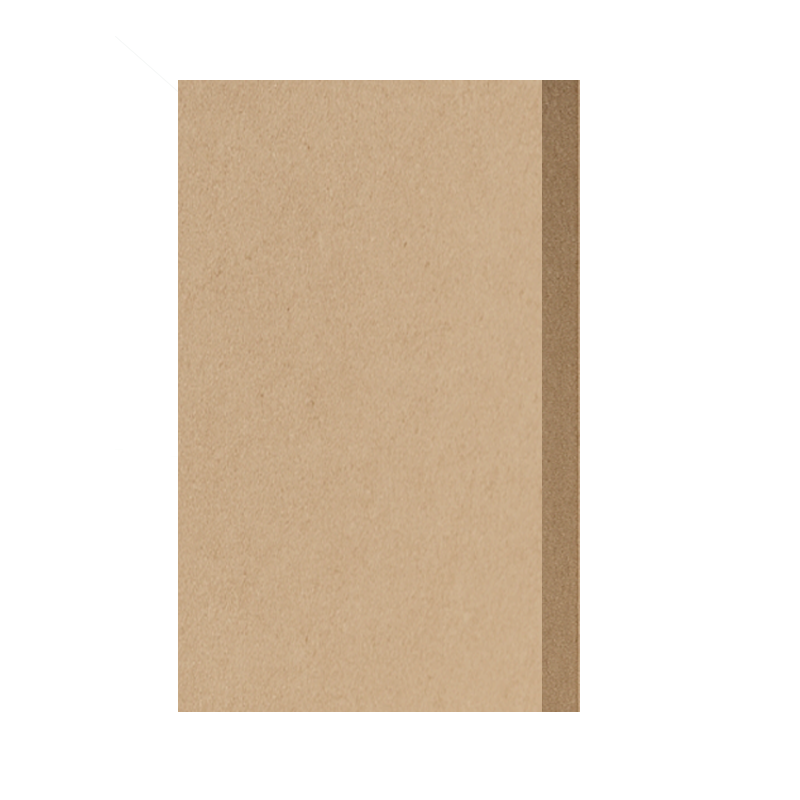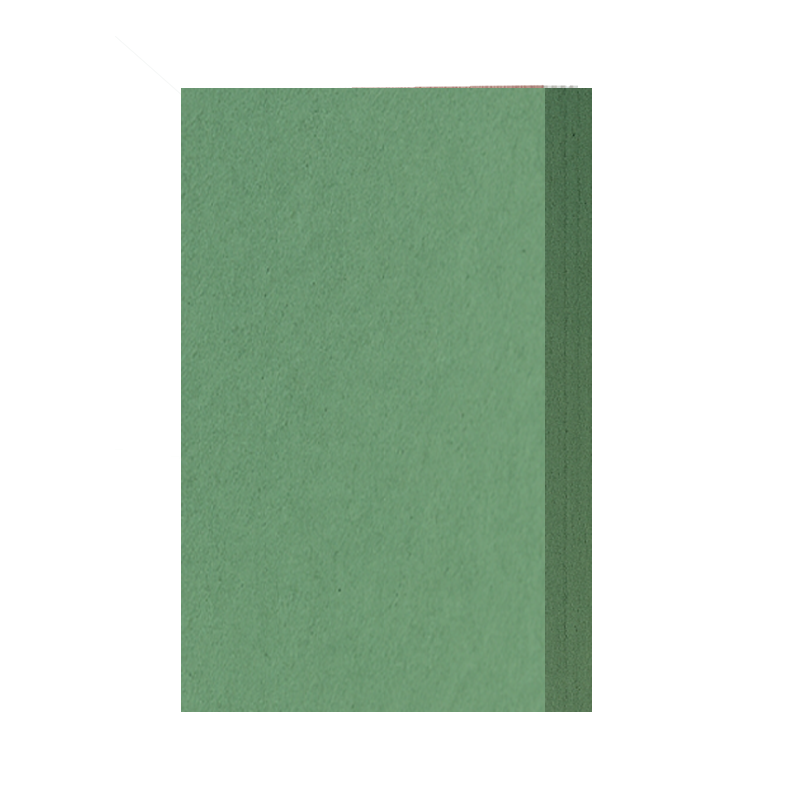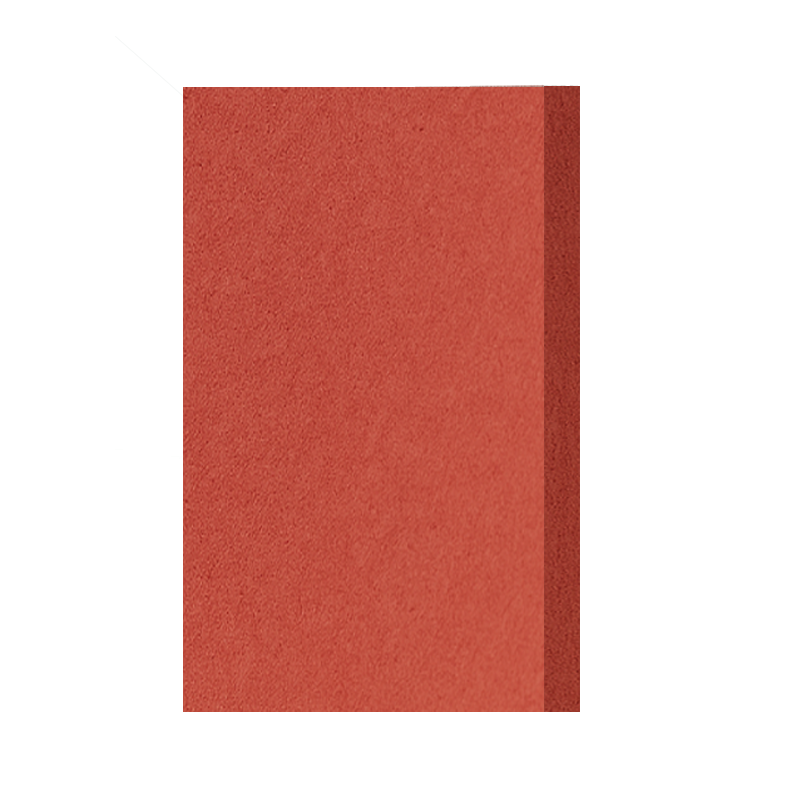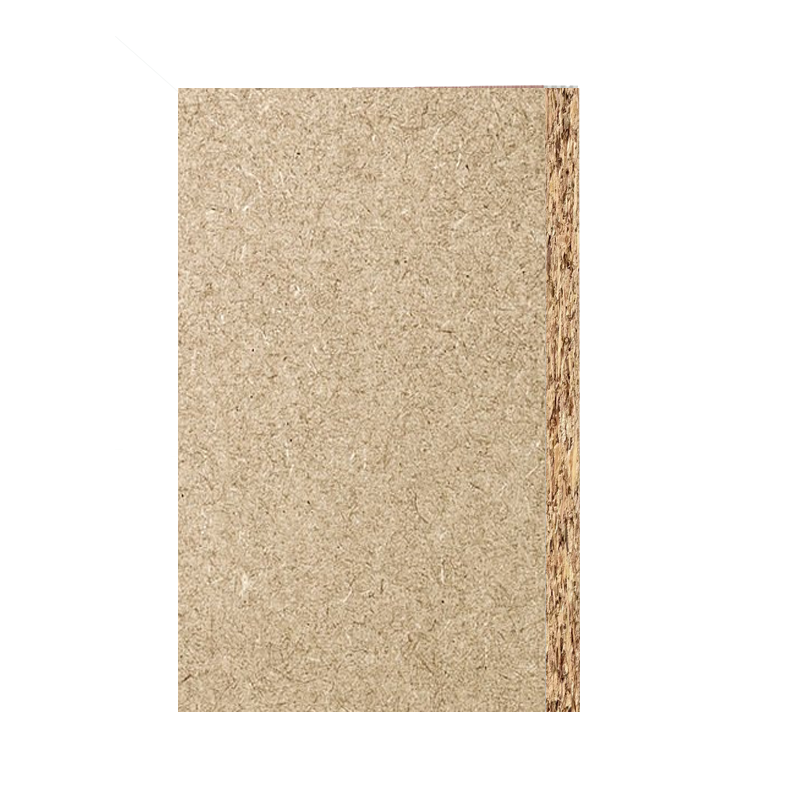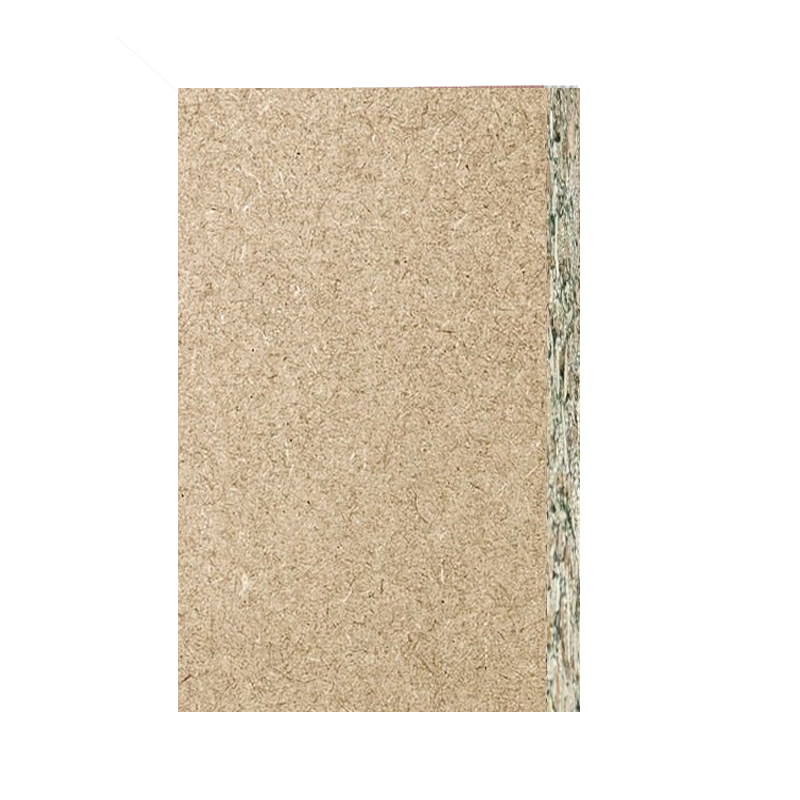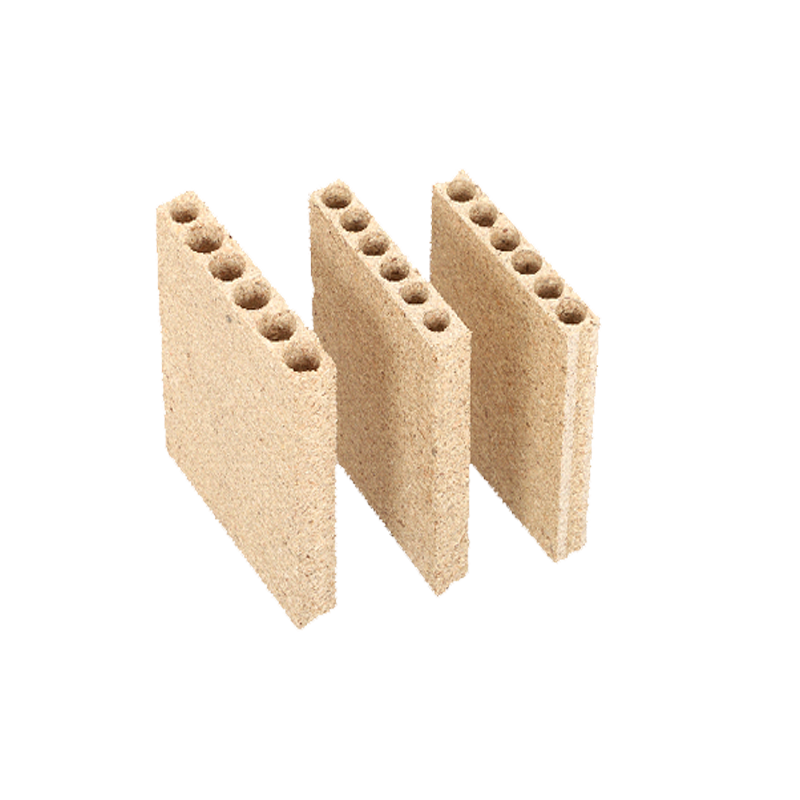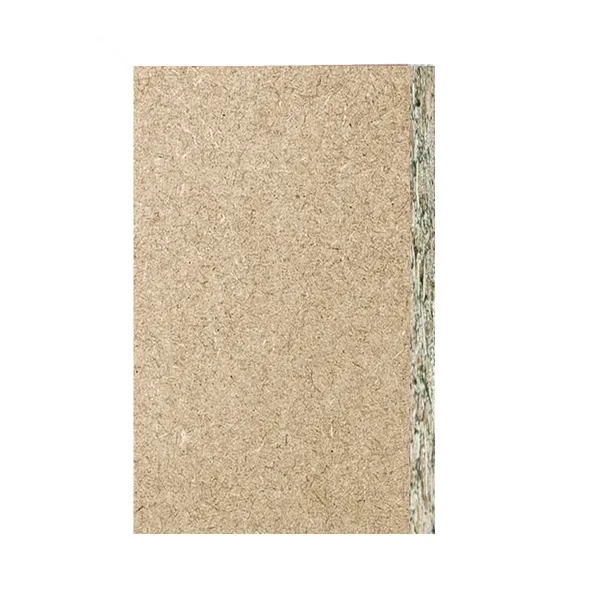
PUSEN WOOD MR PARTICLE BOARD
| Product Name | Moisture Proof Particle Board |
| Other names | Moisture Proof/Moisture Resistant/Moisture-Repellent/Water Resistant/Water Proof/Water-Repellent/Anti-Moisture/MR、HMR/Green Particle Board、Particleboard、Chipboard、Flakeboard、Engineered Wood Board |
| Density Class | 650 – 750 kg/m³ (680-720 kg/m³ uniform and stable, high density >720) |
| Raw Material Grade | A1 grade (pure untreated wood), A2 grade (clean recycled wood), A3 grade (recycled wood without chemical preservatives) |
| Product Standards | EN312 – P3 Grade (moisture-proof board), P5 Grade(moisture-proof load-bearing board) |
| Size | Commonly used: 1220x2440mm (4’x8′),Others: 1220×2745 mm (4’x9′), 1220x2745mm (4’x10′), 1525 mm x 2440 mm (5’x8′), 1525 x 2745 mm (5’x9′), 1830x2440mm (6’x8′), 1830x2745mm (6’x9′), 2135x 3050mm(7’x10′),2440x3660mm(8’x10′),Upon To Request |
| Thickness | 8mm-64mm, regular sizes:8 (5/16″), 9 (3/8″), 12 (15/32″), 15 (19/32″), 16 (5/8″), 18 (11/16″), 25 (1″),30(1 3/16″), 35 (1 3/8″), 38 (1 1/2″), 40 (1 37/64″) mm/inch, customizable upon request |
| Core | Poplar, Combi, Pine, Eucalyptus/Hardwood Wood Particles/Chips |
| Production Line Type | Multi-Opening Press Line(Sufoma)/Continuous Flat Press Line(Dieffenbacher) |
| Glue | E0 Glue,E1 Glue,E2 Glue,CARB P2 Glue,MDI(Methylene Diphenyl Diisocyanate) Glue |
| Surface Quality | Sanded Both Sides(#180, #240 ) |
| Moisture Content | 6% – 8% |
| Thickness Tolerance | Continuous Flat Press Line: ±0.1mm ~ ±0.2mm Multi-Opening Press Line: ±0.2mm ~ ±0.3mm |
| Water absorption expansion rate after 24h | ≤ 8% |
| Internal Bond Strength – IB | ≥ 0.55 N/mm² |
| Modulus of Rupture – MOR | ≥ 20 N/mm² |
| Modulus of Elasticity – MOE | 2000 – 3500 MPa or higher |
| Screw Holding Strength – Face and Edge | Face Screw Holding > 1250 N Edge Screw Holding > 950 N |
| Surface Bonding Strength | 1.0 – 1.5 N/mm² or higher |
| MOQ | 42CBM/40’GP.50CBM/40’HQ |
| Packing | Inner Packing:0.2mm Thickness Plastic Bag,Outer Packing:Pallet With Carton And Strapped With Steel Tape |
| Delivery | Within 20 days After Confirm The Order |
| DaysPayment | TT,L/C,DP,MONEYGRAM,WESTERN UNION,PAYPAL |
| Usage | High humidity indoor environments such as kitchen cabinets, bathroom vanities, laundry and storage room furniture, bathroom partitions, display cases, and wall panels in restaurants, retail stores, gyms, spas, and medical facilities. |
| Capacity | 10000CBM PER MONTH |
| Standard Compliance & Certifications | EN312,EN 317 & EN 319, E1, E0, CARB P2, EPA TSCA Title VI , ISO 9001, ISO 14001, FSC, PEFC, CARB, CE Mark, BIS etc. |
MR Particle Board (Moisture Resistant Chipboard) – Detailed Guide
1. What is MR Particle Board?
MR Particle Board (Moisture Resistant Particle Board) is an engineered wood product made from wood particles such as chips, sawdust, and wood shavings, which are bonded together using resin adhesive and pressed under high temperature and pressure.
The key difference between standard particle board and MR particle board is the use of moisture-resistant resin and additives, which significantly improve its performance in humid and damp environments.
However, MR particle board is moisture resistant, not waterproof, meaning it can resist humidity and light moisture but should not be exposed to direct water or long-term soaking.
2. How MR Particle Board is Manufactured
The production process involves several carefully controlled stages:
1. Raw Material Preparation
Wood chips
Sawdust
Wood shavings
Recycled wood waste
All raw materials are cleaned and sorted to remove impurities such as sand, bark, and metal.
2. Drying Process
Wood particles are dried to achieve controlled moisture content, ensuring stable bonding during pressing.
3. Resin and Additive Mixing
Particles are mixed with:
Moisture-resistant resin (modified urea-formaldehyde or similar)
Wax or water-repellent additives
This step is critical for improving humidity resistance and reducing water absorption.
4. Mat Formation
The blended particles are layered into a mat:
Fine particles on the surface for smoothness
Coarser particles in the core for strength
5. Hot Pressing
The mat is compressed under:
High temperature
High pressure
This process bonds the particles into a solid, dense board.
6. Cooling and Cutting
After pressing, boards are cooled, stabilized, and cut into standard sheet sizes.
7. Surface Finishing
MR particle boards may be:
Raw (uncoated)
Laminated with melamine paper
Covered with PVC or veneer for decorative purposes
3. Structure of MR Particle Board
MR particle board typically has a three-layer structure:
Top layer: Fine particles for smooth surface finish
Core layer: Larger particles for strength and stability
Bottom layer: Fine particles for balance and structure
This layered structure helps improve both mechanical performance and surface quality.
4. Key Features of MR Particle Board
Improved Moisture Resistance
MR particle board performs better in humid environments compared to standard particle board.
Cost-Effective Material
It is one of the most economical engineered wood materials for furniture production.
Smooth Surface (when laminated)
Laminated MR boards provide a clean and decorative finish suitable for modern furniture design.
Easy Workability
It can be easily:
Cut
Drilled
Screwed
Laminated
Lightweight to Medium Weight
Easier to transport and install than solid wood.
5. Types of MR Particle Board
1. Raw MR Particle Board
No surface coating
Used as base material in furniture production
2. Melamine MR Particle Board
Laminated with decorative paper
Scratch-resistant and easy to clean
Most widely used in furniture industry
3. PVC/Veneer MR Particle Board
Covered with PVC film or natural wood veneer
Improved aesthetics and durability
6. Applications of MR Particle Board
MR particle board is widely used in interior furniture and decoration:
Kitchen Furniture
Kitchen cabinets
Cabinet carcasses
Storage units
Bathroom Furniture (Non-direct water areas)
Bathroom cabinets
Mirror cabinets
Bedroom Furniture
Wardrobes
Bedside tables
Dressers
Office Furniture
Office desks
Filing cabinets
Workstations
Commercial Interiors
Retail shelving
Display units
Interior partitions
7. Advantages of MR Particle Board
Better moisture resistance than standard particle board
Low cost and high availability
Efficient use of wood waste materials
Smooth surface when laminated
Suitable for mass furniture production
Easy machining and assembly
8. Limitations of MR Particle Board
Despite its benefits, it has some limitations:
Not Waterproof
Cannot withstand direct water contact or soaking
Lower Strength
Not suitable for heavy structural applications
Edge Sensitivity
Edges may swell if not properly sealed
Limited Outdoor Use
Not recommended for exterior environments
9. MR Particle Board vs Other Materials
| Material | Moisture Resistance | Strength | Surface Finish | Cost |
|---|---|---|---|---|
| Standard Particle Board | Low | Low | Medium | Low |
| MR Particle Board | Medium | Low–Medium | Good (laminated) | Low |
| MDF | Medium | Medium | Very smooth | Medium |
| Plywood | High | High | Natural wood grain | Higher |
10. Quality Factors of MR Particle Board
When selecting MR particle board, important quality indicators include:
Density
Higher density generally means better strength and durability
Moisture Resistance Performance
Lower swelling rate under humidity exposure
Surface Quality
Smooth and defect-free surface for lamination
Edge Stability
Resistance to crumbling during cutting and installation
Internal Bond Strength
Determines long-term durability
11. Environmental and Safety Standards
Modern MR particle boards are produced under strict environmental standards:
E1 / E0 formaldehyde emission levels
CARB P2 certification for export markets
Use of low-emission resins
Recycling of wood waste materials
This ensures safer indoor usage and compliance with global regulations.
12. Storage and Handling Guidelines
To maintain product quality:
Store in dry and ventilated areas
Avoid direct contact with water or moisture
Keep boards flat to prevent bending
Seal edges after cutting for better protection
Avoid outdoor exposure
13. Conclusion
MR Particle Board is an improved version of standard particle board designed for better performance in humid environments. Through the use of moisture-resistant resin and controlled manufacturing processes, it offers better stability, durability, and versatility for furniture and interior applications.
It is widely used in kitchen cabinets, wardrobes, office furniture, and commercial interiors due to its cost-effectiveness and practical performance.
Although it is not waterproof or suitable for outdoor use, MR particle board remains one of the most popular materials in modern furniture manufacturing.