

1. What is the PP film, and what makes it "high quality"?
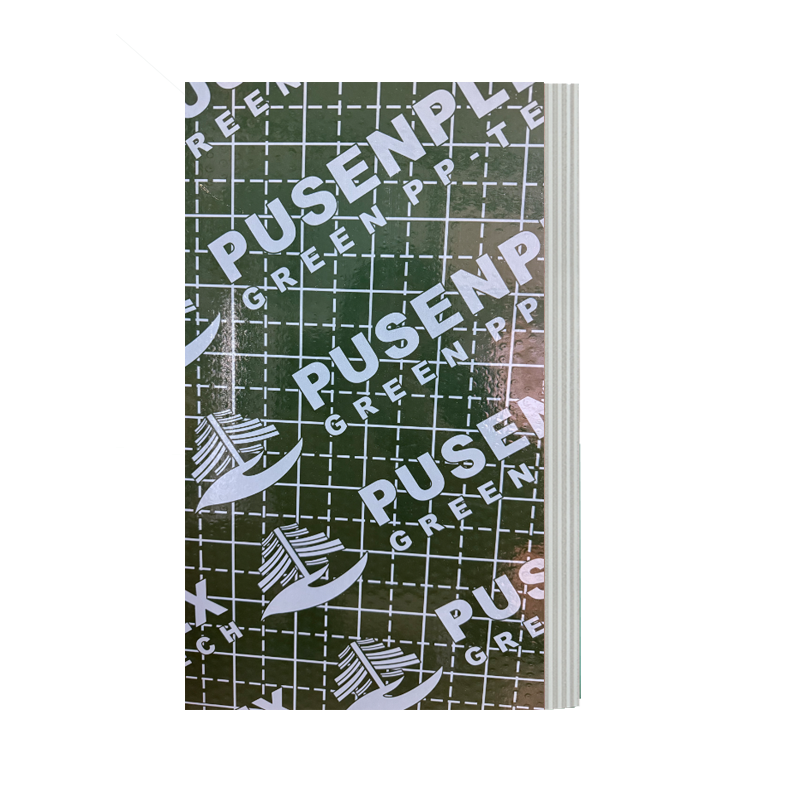
The green surface is a Polypropylene (PP) plastic film. Unlike traditional phenolic film, PP is thermoplastic, making it more flexible and resistant to cracking -4.
Thickness: Quality films range from 120 to 150 microns. Thicker films generally offer more resistance to abrasion from rebar and concrete aggregates -2-6.
Adhesion: The peel strength should be ≥ 0.4 N/mm (or ≥ 2.0 N/mm depending on the test standard). This measures how hard it is to rip the film off the wood -1-6.
Treatment: High-quality films include UV resistance to prevent color fading and heat resistance (Vicat Softening Point ≥ 100°C) to withstand solar heat on site -2-6.
2. What surface defects should I reject?
When inspecting the boards, look for specific visual defects. According to quality control checklists, the following criteria apply -1-6:
Peeling: Reject if any peeling is visible. The film must be fully adhered.
Blisters/Bubbles: Minor bubbles (<5mm) are allowed up to 3 spots per square meter. Larger or numerous bubbles are a defect.
Scratches: Scratches deeper than 0.2mm or longer than 5cm are generally considered a failure.
Edge Chipping: Chipping should be less than 3mm deep.
Glue Spots/Overspray: High-quality boards should have a clean surface free from excess glue.
3. How do I test the water resistance and reusability?
Green PP film faced plywood is designed for concrete formwork and should resist water.
The Boiling Test: Quality standards (like EN 314-2) require the plywood to pass a 72-hour boiling test without delamination or film peeling -1-9.
Reusability (Turns): This depends on the grade. Standard PP film faced plywood often achieves 8 to 12 uses. Premium grades (like "Promax") with WBP glue can reach 20 to 25 uses. If the board swells at the edges or the film wears through after a few pours, the quality is low -4-9.
4. Why does the glue type matter?
The glue holding the veneers together is as important as the film. Look for WBP (Weather Boiling Proof) or Phenolic resin glue. This is a dark red/black glue that is waterproof. MR (Moisture Resistant) glue is white/light yellow and is not suitable for concrete formwork -4-9.
5. What causes warping or delamination?
Even if the surface looks good, the core might fail due to manufacturing issues. A specific inspection report notes that during hot seasons (April-May), factories may struggle with "pre-curing," where glue dries before pressing due to heat. This results in delamination (layers separating) or blistering shortly after purchase5
Prevention: Buy from manufacturers who control their workshop temperature or use adaptive adhesive formulas for hot weather.