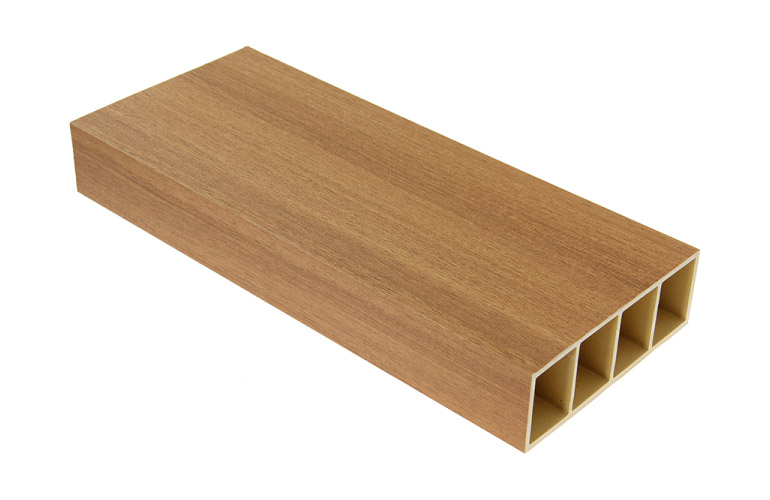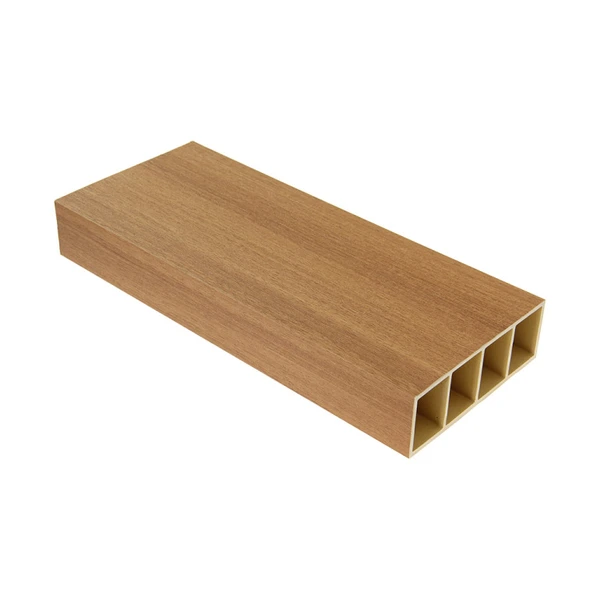
PUSEN WPC CEILING
A Complete Guide to Using WPC Ceiling Panels
WPC ceiling panels (Wood Plastic Composite ceiling panels) have become one of the most popular modern interior decoration materials in both residential and commercial construction. They combine the natural appearance of wood with the durability of plastic, offering a practical, stylish, and low-maintenance ceiling solution.
This guide will walk you through everything you need to know about WPC ceiling panels, including what they are, their advantages, installation process, maintenance tips, and best application scenarios.
1. What Are WPC Ceiling Panels?
WPC (Wood Plastic Composite) ceiling panels are decorative boards made from a mixture of:
Wood fibers or wood powder
Thermoplastic materials (such as PVC or PE)
Additives for stability, strength, and UV resistance
The result is a strong, water-resistant, and wood-like ceiling material that is widely used in interior design.
Unlike traditional wood, WPC does not easily crack, warp, or absorb moisture, making it suitable for both dry and humid environments.

2. Key Advantages of WPC Ceiling Panels
2.1 Waterproof and Moisture Resistant
One of the biggest advantages is its excellent resistance to water. WPC panels do not swell, rot, or deform when exposed to humidity, making them ideal for kitchens, bathrooms, and coastal regions.
2.2 Termite and Pest Resistant
Unlike natural wood, WPC does not attract termites or insects, ensuring long-term structural stability.
2.3 Low Maintenance
WPC ceilings require minimal maintenance. Regular cleaning with a damp cloth is usually enough to keep them looking new.
2.4 Aesthetic Flexibility
Available in a wide range of:
Wood grain finishes
Solid colors
Modern matte or glossy textures
They can match various interior design styles from classic to contemporary.
2.5 Easy Installation
Most WPC ceiling systems are designed with interlocking or clip-lock systems, allowing for faster and cleaner installation compared to traditional ceilings.
2.6 Eco-Friendly Option
Many WPC products are recyclable and reduce the need for natural timber, helping to reduce environmental impact.
3. Common Applications of WPC Ceiling Panels
WPC ceiling panels are widely used in:
Residential homes (living rooms, bedrooms, kitchens)
Bathrooms and wet areas
Offices and meeting rooms
Shopping malls and retail stores
Hotels, restaurants, and cafés
Outdoor covered ceilings (depending on product type)

4. Types of WPC Ceiling Panels
4.1 Hollow Panels
Lightweight
Cost-effective
Easy to install
Suitable for most indoor applications
4.2 Solid Panels
Heavier and stronger
Better sound insulation
More durable
Slightly higher cost
4.3 Decorative Slat Panels
Linear wood-style design
Modern architectural appearance
Popular in luxury interiors
5. Installation Guide for WPC Ceiling Panels
Proper installation is important to ensure durability and appearance.
Step 1: Surface Preparation
Ensure the ceiling frame is clean, dry, and level
Install a metal or wooden framework (batten system)
Step 2: Measure and Plan Layout
Measure the ceiling area accurately
Plan panel direction and layout before installation
Step 3: Fix the Framework
Install supporting structures with proper spacing
Ensure alignment is straight and level
Step 4: Install Panels
Start from one corner
Use clip-lock or screw fixing system depending on design
Ensure tight joining between panels
Step 5: Finishing Touches
Install edge trims or corner profiles
Check for gaps or misalignment
Clean the surface after installation

6. Maintenance Tips
WPC ceiling panels are easy to maintain, but following these tips will extend their lifespan:
Clean regularly with soft cloth or mild soap solution
Avoid harsh chemical cleaners
Do not scratch with sharp objects
Check joints occasionally for dust buildup
Ensure good ventilation in humid areas
7. Advantages Over Traditional Ceiling Materials
| Feature | WPC Ceiling | Wood Ceiling | Gypsum Ceiling | PVC Ceiling |
|---|---|---|---|---|
| Waterproof | High | Low | Medium | High |
| Durability | High | Medium | Medium | Medium |
| Maintenance | Easy | High | Medium | Easy |
| Appearance | Wood-like | Natural | Basic | Plastic look |
| Termite Resistance | Yes | No | Yes | Yes |
8. Design Tips for WPC Ceilings
Use light colors for small rooms to create space
Use wood grain textures for warm, natural interiors
Combine with LED lighting for modern effects
Use slat panels for luxury commercial interiors
Match ceiling design with flooring for visual harmony

9. Conclusion
WPC ceiling panels are a modern, durable, and cost-effective solution for interior ceiling design. Their combination of waterproof performance, aesthetic versatility, and low maintenance makes them a smart alternative to traditional wood, gypsum, and PVC ceilings.
Whether for residential or commercial projects, WPC ceilings offer long-lasting performance and a stylish finish that enhances any space.